Tag: fiction

  • From Fear to Friendship: Understanding Your Emotional Self

    From Fear to Friendship: Understanding Your Emotional Self

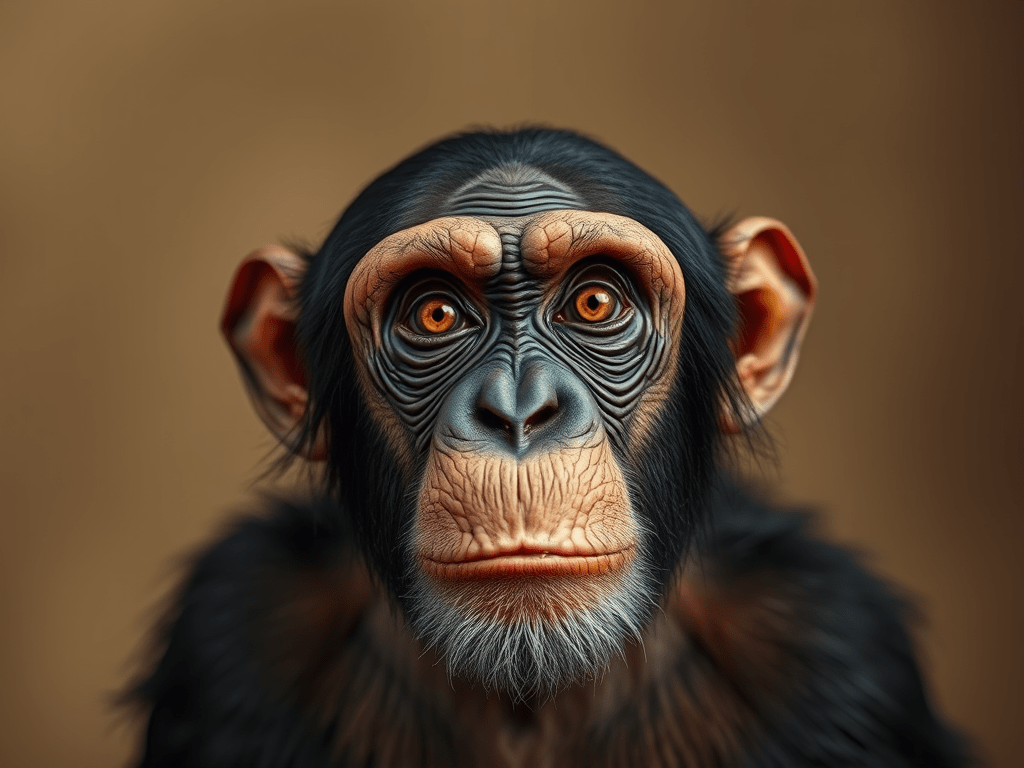
    In the last post, we met the Chimp—that impulsive, emotional voice inside your head that freaks out, overreacts, and sometimes sabotages your best-laid plans.

    But here’s something important to understand:

    Your Chimp isn’t crazy. It’s scared.
    And fear? That’s your Chimp’s full-time job.

    🛡 Why the Chimp Exists

    Let’s dive into a little brain science—but don’t worry, this is the simple, not-boring kind.

    Your Chimp lives in the limbic system, the part of your brain responsible for emotions, instincts, and the classic fight-or-flight response. It’s ancient—evolved to protect you from predators, famine, danger… and yes, even awkward elevator conversations.

    Its number one priority?

    Keep you alive.

    Not keep you happy.
    Not help you build your dream life.
    Just keep you alive.

    So when you feel triggered, anxious, or overwhelmed out of nowhere, it’s often your Chimp pulling the fire alarm. It sees risk where there might be none—and it reacts fast, because that’s how it’s wired.

    And here’s something else:
    If you live with disabilities, limitations, or setbacks, your Chimp reflex is often even quicker. It wants to protect you from getting hurt—emotionally, physically, socially.

    But in trying to shield you, it often keeps you small.

    🧍‍♂️ A Personal Perspective

    As someone who’s blind—and who’s faced both visible and invisible challenges—believe me, my Chimp has had years of training.

    That voice in my head that says:

    “Don’t put yourself out there.”
    “People will just feel sorry for you.”
    “You’re not enough.”

    Yeah, that’s my Chimp doing its job—trying to protect me from embarrassment, rejection, and pain.

    But here’s the thing:
    What protects you can also paralyze you.

    And if you’ve ever felt held back by fear, self-doubt, or that voice telling you to play it safe—your Chimp is doing the same to you.

    🧘🏽 So, What Do We Do About It?

    We don’t shame the Chimp.
    We don’t try to silence it.
    And we definitely don’t try to “logic” our way out of its grip—because logic doesn’t work on a Chimp in full meltdown mode.

    Instead, we acknowledge it.
    We thank it.
    We take a breath and say:

    “I hear you. But I’ve got this.”

    Managing your Chimp is about building a relationship, not waging a war.

    Especially if you’re dealing with a disability or hardship, fighting the Chimp head-on can feel impossible. And honestly, it’s too strong to overpower. So don’t try to kill it—tame it. Learn to walk with it. Because believe it or not, your Chimp is still a valuable part of your mindset when it’s trained right.

    💬 Your Challenge Today

    The next time your heart races, your mind spirals, or you feel like running away—pause.

    Ask yourself:

    “Is this my Chimp trying to protect me?”

    You might be surprised how often the answer is yes.

    Because while your Chimp isn’t always rational, it is trying to keep you safe. And when you understand that, you can start showing up for yourself with patience, self-compassion, and clarity.

  • What Wet Pants Taught Me About Priorities, Passion, and the Freedom to Play

    What’s your priority?

    As a kid, it was simple.
    “I want to play.”
    “I want that video game.”
    “I want that snack.”
    And we definitely knew what we didn’t want:
    “I don’t want to do homework.”
    “I don’t want to eat vegetables.”
    “I don’t want to go to bed.”

    That kind of honesty is crystal-clear when you’re little—and yesterday, I got a wild reminder of it from my own son.

    Picture this: I’m at home when my son bolts back inside from the backyard… and pees. Not in the bathroom. Nope—in the living room.

    My first thought? Why on earth would you do that?
    But as I stood there—confused, annoyed, and slightly impressed by his audacity—I started to think: What was going through his head that made him think this was the best option?

    As the frustration faded, it hit me:
    He had made a decision. His priority was play. Nothing else. Not even peeing in the toilet—or finding a tree in the backyard. Fun was his mission, and he wasn’t going to let anything stop him. Not even… wet pants.

    Sure, after the fact, I made him clean up the mess. (Let’s be honest, I had to re-clean it afterward.) But even as he was half-heartedly wiping the floor, I could see it: his mind was still on the game, on the sunshine, on living.

    So I kept thinking about it.
    Why was it so easy for him to let go of everything else and just focus on what mattered to him?

    Then came the deeper truth:
    As adults, we overcomplicate everything.
    We block our passions, our dreams, our joy—because we’re afraid of a little discomfort, a little embarrassment.
    What will people think?
    What if I fail?
    What if my pants get wet?

    But here’s what my son’s “accident” taught me:
    You can always change your pants.
    You can’t always get back the time you didn’t spend doing what lit you up inside.

    My son wasn’t embarrassed. The other kids didn’t even notice—or care. They were just having fun, fully present, fully alive.

    Meanwhile, we adults stack excuses like a game of Jenga:
    “I’m too old.”
    “I have responsibilities.”
    “What if I look stupid?”
    “What if people talk about me?”

    And all that fear? It’s mostly in our heads.
    Most people aren’t even paying attention to us half the time.

    So here’s my takeaway, learned from a small puddle and a very determined little boy:
    Do what matters. Follow the joy. Don’t let fear, pride, or discomfort stand in your way.

    If you want to play, go play.
    If you want to start that business, launch that project, write that book—go do it.
    Let’s stop waiting until everything is perfect. Because perfect never shows up—but time keeps ticking.

    Sometimes, the biggest lessons come with wet pants.
    So be brave enough to chase your joy, even if it means getting a little messy along the way.